PERSONALISED ORTHODONTIC CARE DIGITAL SCANNING BRACES CLEAR ALIGNERS INDIVIDUAL TREATMENT PLANNING PERSONALISED ORTHODONTIC CARE DIGITAL SCANNING BRACES CLEAR ALIGNERS INDIVIDUAL TREATMENT PLANNING

Smarter Support for Your Orthodontic Journey

For adults, appliance selection is based on a detailed assessment of the teeth, bite, jaw relationship, and desired treatment outcome. Each appliance has a specific purpose, and its suitability varies from patient to patient.
INTRODUCTION

Appliances Selected Around Your Needs

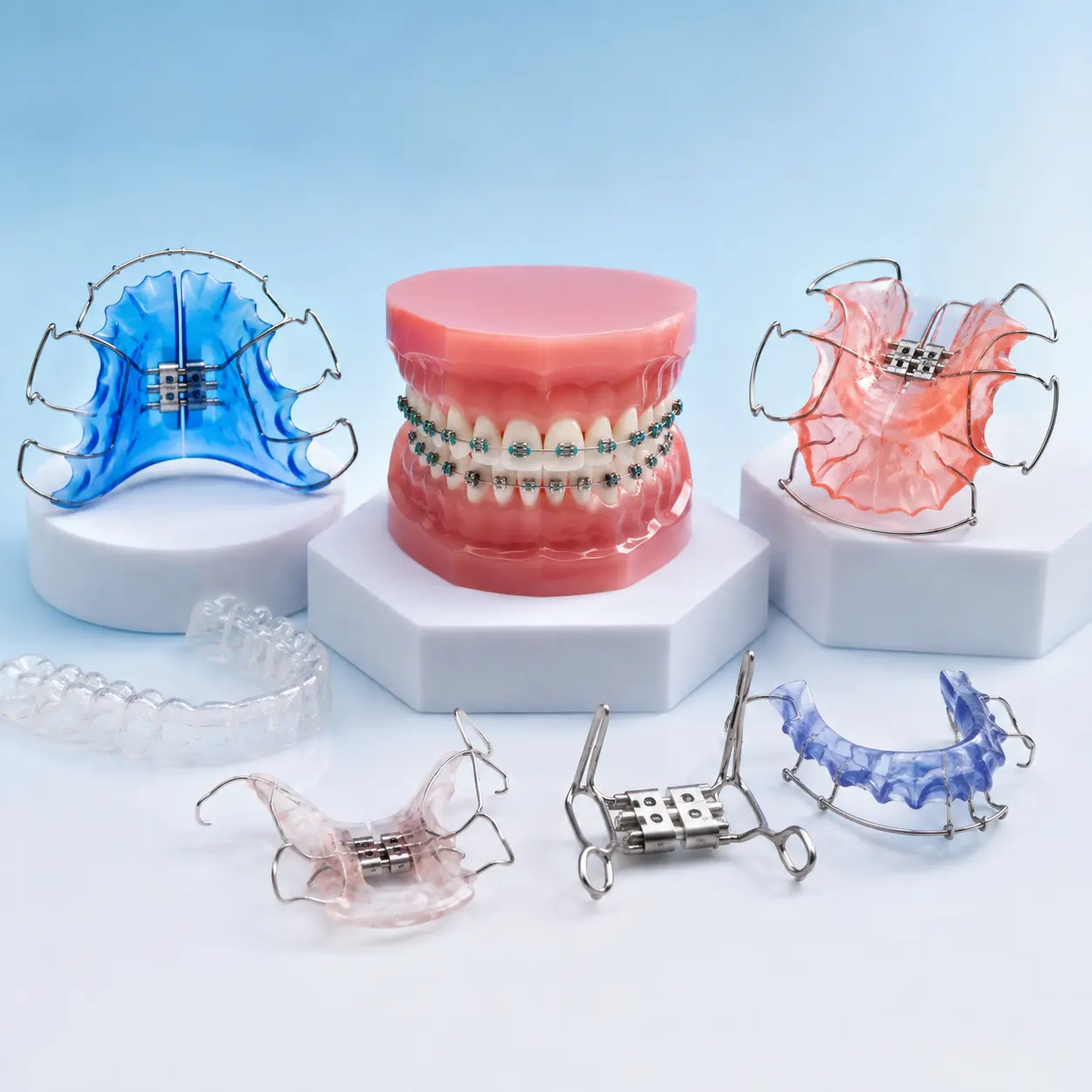
Orthodontic appliances are not one-size-fits-all. Some are designed for growing patients, while others may be used alongside orthodontic treatment or for specific jaw and arch-related concerns.
Following an individual orthodontic assessment, the appropriate appliance can be selected according to the patient’s stage of development, treatment requirements and overall orthodontic goals.
APPLIANCES BY AGE

Orthodontic Care Through Different Stages

Different appliances may be considered at different stages of dental and skeletal development. The following categories help explain where certain appliances may be relevant.

Loss of Space

A space regainer may be considered when space has been lost following the premature loss of a primary tooth.

Tooth Movement

Neighbouring teeth may move into an available space, reducing the room needed for a developing permanent tooth.

Reduced Eruption Space

A space regainer may be considered when there is reduced space for an unerupted permanent tooth.

Developing Teeth

Developing permanent teeth may require additional space to support their expected eruption and alignment.

Selected Cases

In selected cases, orthodontic space regaining may be appropriate based on the child's dental development and individual requirements.

ADULTS

Orthodontic Appliances for Adults

Orthodontic appliances for adults may be recommended as part of a personalised treatment plan to support specific tooth movements, bite correction, or jaw-related concerns. The choice of appliance depends on the individual’s dental condition, growth status, treatment objectives, and overall orthodontic assessment.
Appliances that may be considered:
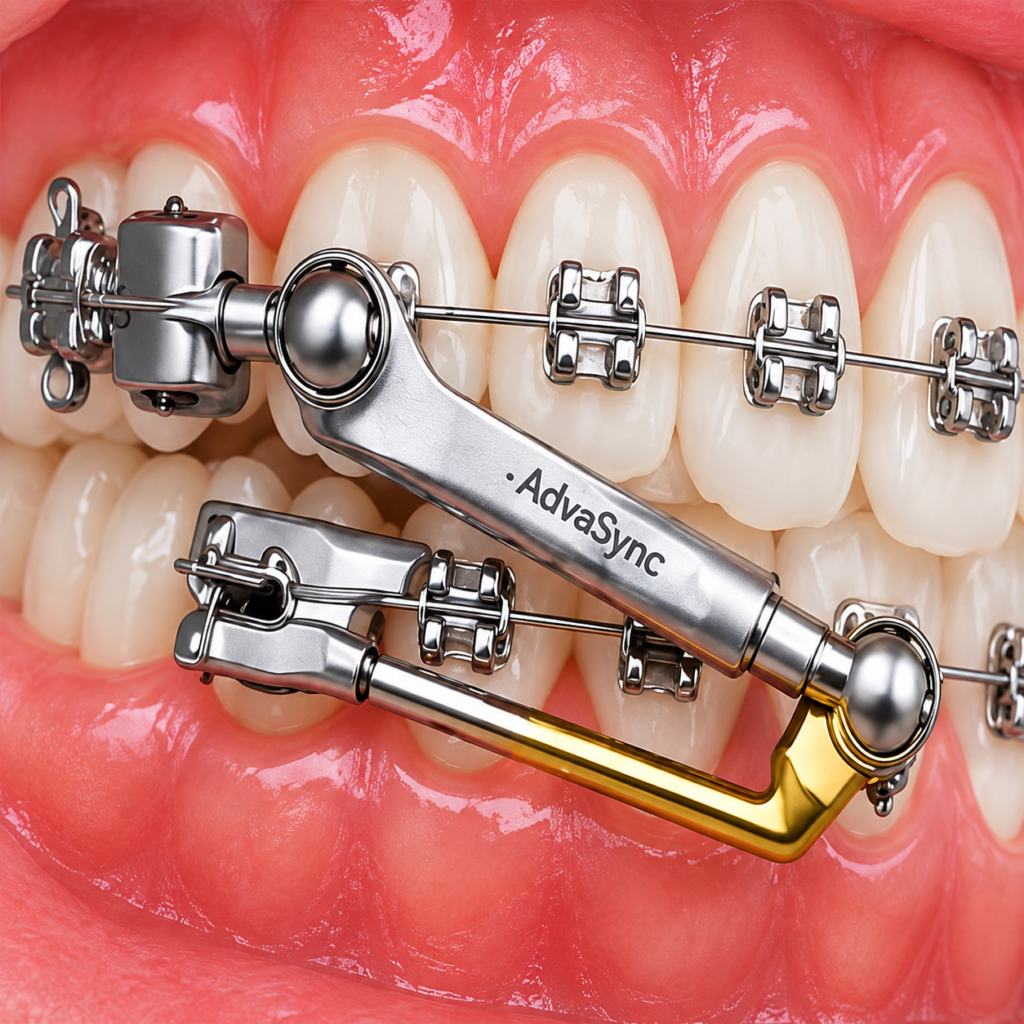
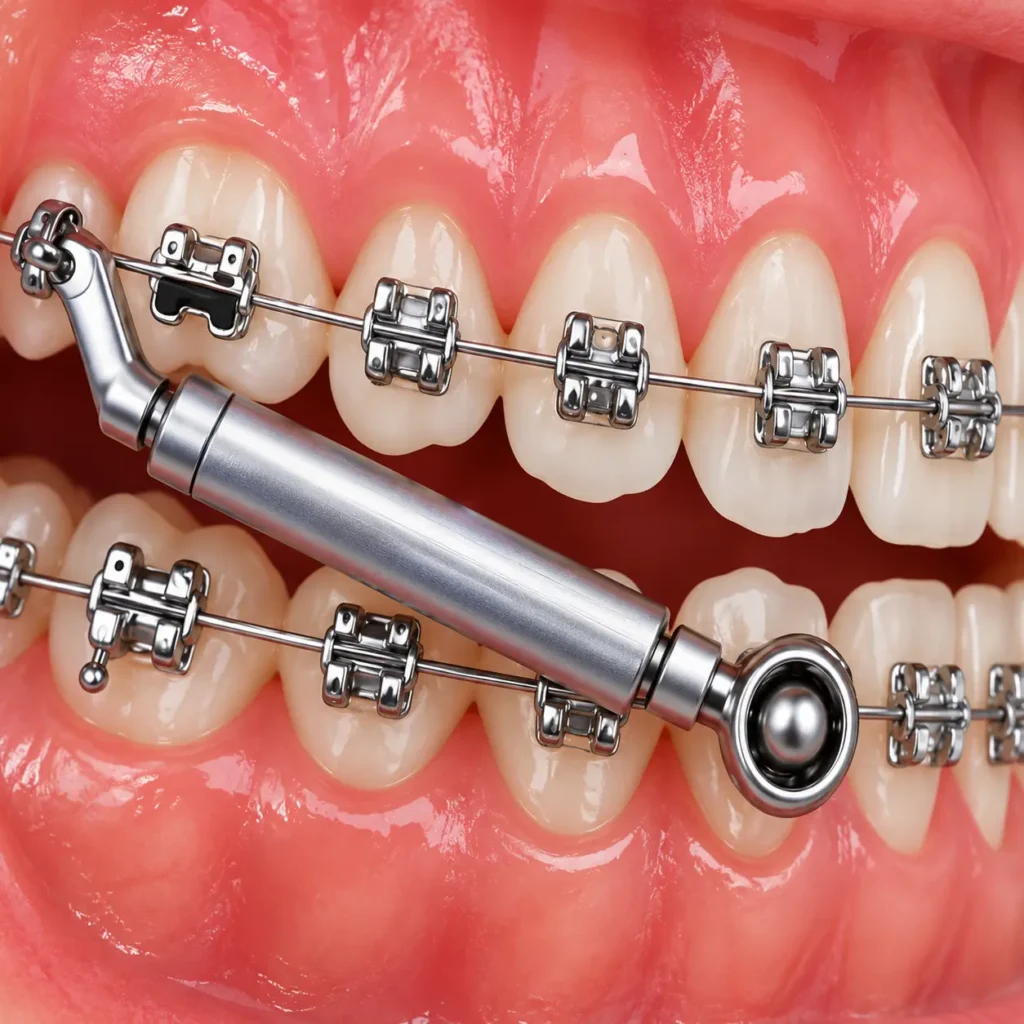
ADVA Sync 2

ADVA Sync 2

A fixed functional appliance that may be considered alongside orthodontic treatment for selected Class II correction cases.

Know More
APPLIANCE TREATMENT PROCESS

A Planned Approach From Assessment to Review

01

Assessment

Your teeth, bite, jaw relationship and stage of dental development are assessed.

02

Records

Where appropriate, photographs, scans, X-rays or other records may be used to understand the orthodontic condition.

03

Appliance Selection

The appropriate appliance is selected based on the individual orthodontic requirements.

04

Appliance Placement

The appliance is fitted or provided according to the selected treatment approach.

05

Progress Reviews

Regular appointments allow the response to treatment and appliance progress to be reviewed.

06

Further Treatment

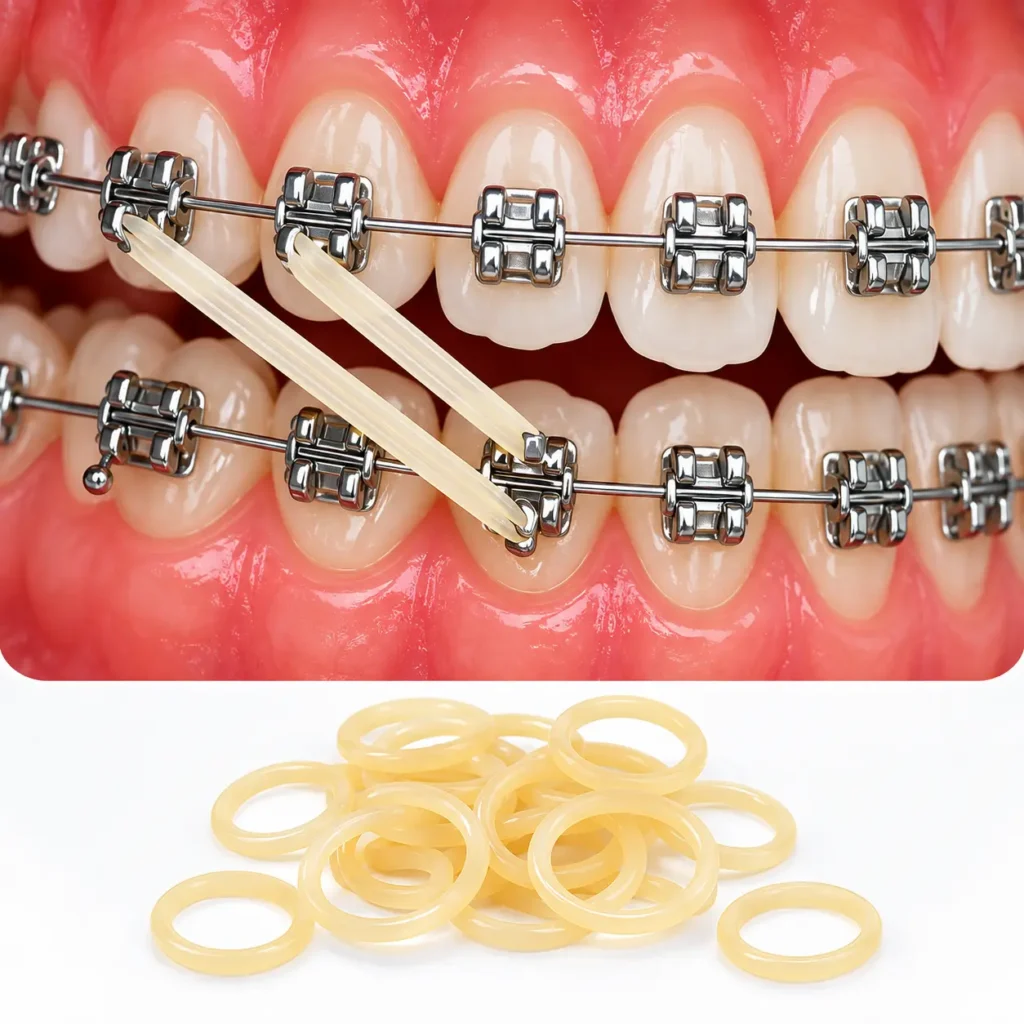
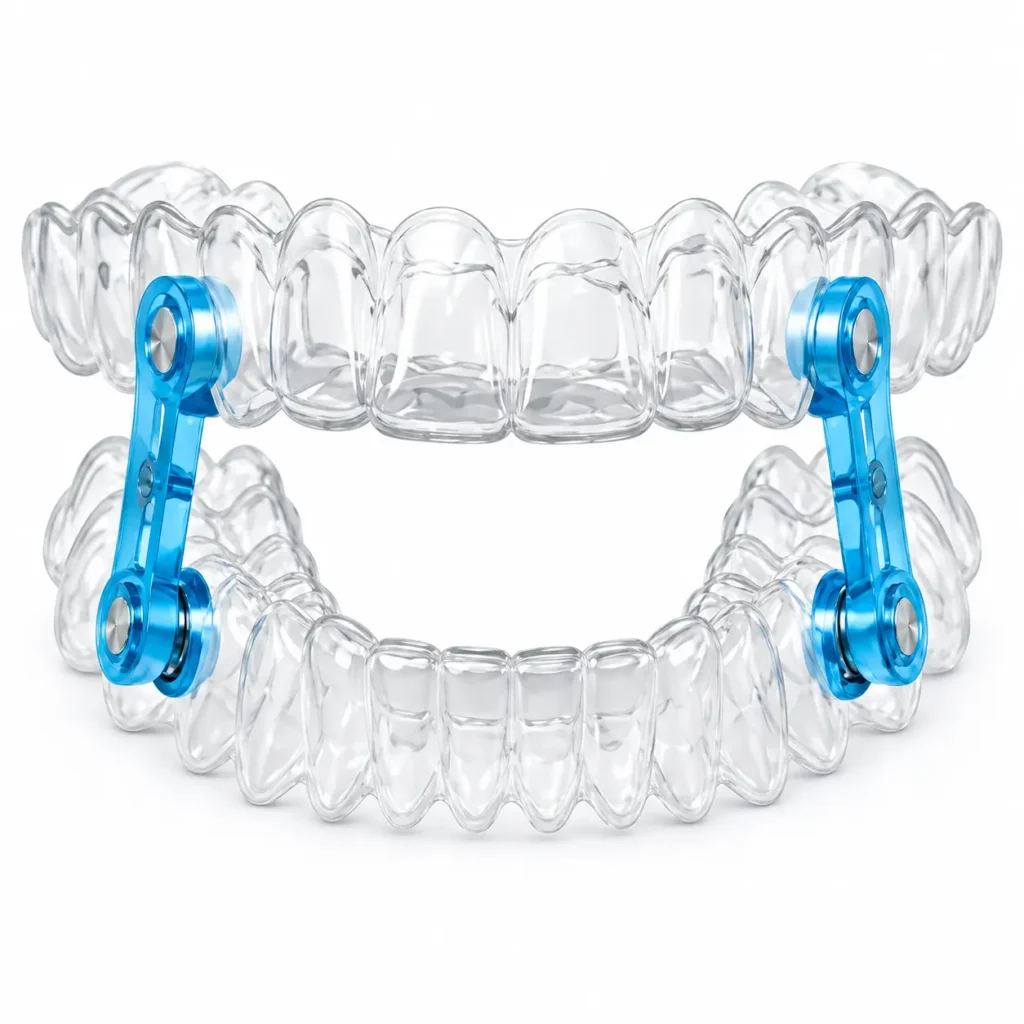
Where required, appliance treatment may form part of a wider orthodontic plan involving braces, aligners or other approaches.

APPLIANCE SELECTION FACTORS

When May Appliances Be Considered?

Adult orthodontic appliances may be considered when additional support is required beyond conventional tooth movement. They can form part of a comprehensive treatment plan for selected bite discrepancies or specific orthodontic movements.
The timing and type of appliance depend on the child’s individual dental development, growth pattern and orthodontic requirements.

A Personalised Approach to Growing Smiles

There is no single appliance that is appropriate for every adult patient. Dr. Ayush Bhangadia evaluates each case individually and recommends an appliance only when it supports the planned treatment objectives. The goal is to select an approach that is clinically appropriate, predictable, and suited to the patient’s individual orthodontic needs.
READY TO GET STARTED?

Not Sure Which Appliance Is Right for You?

An orthodontic assessment can help determine whether an appliance is appropriate and which treatment approach best matches your dental and orthodontic requirements.

Treatment suitability and timing vary between patients and are determined following an individual orthodontic assessment.