
What are you looking for?
Orthodontic Care for the Teenage Years.
The teenage years are an important stage of dental development. As permanent teeth come into position and the bite continues to develop, orthodontic assessment can help identify alignment concerns and determine whether treatment or monitoring may be appropriate.
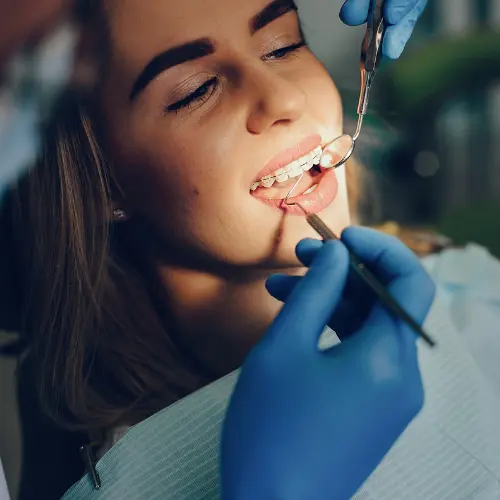
Orthodontic Care During the Teenage Years
When Should a Common Orthodontic Concerns?
Crowded Teeth
Limited space can cause permanent teeth to overlap, rotate or appear crowded.
Spacing & Gaps
Spaces between teeth can occur for different reasons and may affect tooth alignment and the appearance of the smile.
Overbite & Deep Bite
The upper teeth may overlap the lower teeth more than expected when the mouth is closed.
Underbite
The lower teeth may sit in front of the upper teeth when the teeth come together.
Crossbite
One or more upper teeth may sit inside the lower teeth when biting together.
Treatment Based on Development, Not Just Age.
Teenagers may be considered for different orthodontic approaches depending on their teeth, bite, dental development and individual treatment requirements.
Braces
Fixed orthodontic treatment may be considered when controlled movement of the teeth is required to improve alignment and bite relationships.
Explore Braces →Clear Aligners
Clear aligners may be considered for suitable teenagers where a removable aligner approach is appropriate for the individual case.
Explore Clear Aligners →Invisalign®
Invisalign treatment may be considered for suitable teenagers depending on dental development, tooth position, bite and overall treatment requirements.
Explore Invisalign →Functional Appliances
Functional appliances may be considered in selected growing patients where treatment involves the relationship between the teeth and jaws.
Explore Functional Appliances →Orthopaedic Appliances
Orthopaedic appliances may be considered during growth when an individual assessment indicates that this type of treatment is appropriate.
Explore Orthopaedic Appliances →Treatment suitability is determined following an individual orthodontic assessment.
How Teenagers Orthodontic Treatment Works
Teenager’s Orthodontic Treatment is a process rather than a single appointment. Each stage helps build an understanding of the patient’s needs and treatment progress.
Assessment
Your teenager’s teeth, bite, dental development and relevant orthodontic factors are assessed.
Digital Records
Where appropriate, photographs, digital scans and other records may be used to understand the teeth and support treatment planning.
Treatment Planning
The information gathered is reviewed to determine suitable treatment options based on the individual orthodontic requirements.
Treatment
If treatment is recommended, the selected approach is planned according to the patient’s dental development, needs and treatment goals.
Progress Reviews
Regular appointments allow treatment progress and dental development to be reviewed and the treatment approach adjusted when required.
Retention & Follow-Up
After active orthodontic treatment, retainers or further follow-up may be recommended depending on the individual case.
Why Choose This Approach
A Personalised Assessment
Your teenager’s dental development, alignment and orthodontic needs are considered individually.
Clear Treatment Discussion
Treatment options, expected timelines and different approaches can be discussed before proceeding.
Treatment Suited to Development
The treatment approach is selected according to the stage of dental development and individual requirements.
Regular Monitoring
Treatment progress and dental development can be reviewed throughout the orthodontic journey.
Treatment plans, timing and expected outcomes vary between teenagers and depend on individual orthodontic assessment.
A Confident Smile Starts With the Right Assessment.
Every teenager’s orthodontic needs are different. An individual assessment can help determine whether treatment is appropriate and which approach may be suitable.