
What are you looking for?
Ceramic Braces for a More Discreet Orthodontic Option
Ceramic braces use tooth-coloured or less noticeable brackets to guide teeth as part of planned orthodontic treatment. They can be considered when improving tooth alignment or addressing certain bite-related concerns.
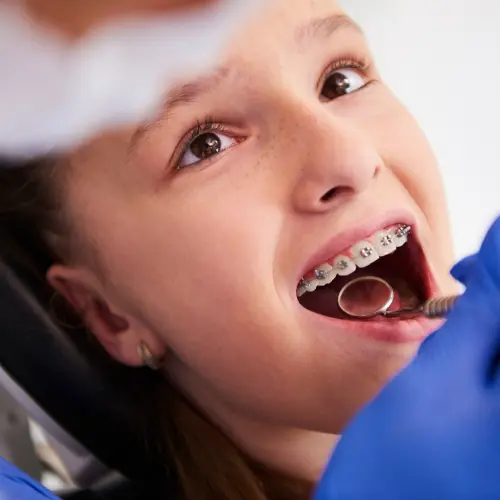
What Are Ceramic Braces?
Ceramic Brackets
Tooth-coloured or less noticeable brackets are attached to the teeth as part of the treatment.
Orthodontic Wire
The wire connects the brackets and helps guide tooth movement during treatment.
Fixed Treatment
Like other fixed braces, ceramic braces remain attached to the teeth throughout active treatment.
Who May Be Considered?
Common concerns that may be assessed include:
Teenagers
Ceramic braces may be considered when orthodontic treatment is appropriate and a less noticeable fixed-braces option is preferred.
Adults
Adults may consider ceramic braces when they require fixed orthodontic treatment and would prefer brackets that are less noticeable.
Individual Assessment
The suitability of ceramic braces depends on the teeth, bite, treatment requirements and other relevant clinical factors.
How Ceramic Braces Work
Assessment
Discuss your concerns and assess the teeth, bite and relevant clinical factors.
Treatment Planning
The information gathered during assessment is used to consider an appropriate treatment approach.
Braces Placement
The ceramic brackets and orthodontic wire are placed as part of the planned treatment.
Regular Follow-Up
Treatment progress is reviewed during appointments, with adjustments made when required.
Retention
After active treatment, retainers may be recommended to help maintain the position of the teeth.
What to Expect During Treatment
Regular Appointments
Follow-up visits allow treatment progress to be reviewed and the braces adjusted when appropriate.
Adjustments
The orthodontic wire and other components may be adjusted according to the planned treatment approach.
Temporary Discomfort
Some patients may experience temporary pressure or discomfort, particularly after braces are placed or adjusted.
A More Discreet Appearance
Tooth-coloured or less noticeable brackets can make ceramic braces less visually prominent than conventional metal brackets.
Frequently Asked Questions.
Find answers to some common questions about orthodontic consultations, treatment and follow-up.
Ceramic braces are fixed orthodontic braces that use tooth-coloured or less noticeable brackets along with an orthodontic wire to guide teeth during treatment.
Adults may be considered for ceramic braces depending on their teeth, bite and individual treatment requirements.
They may be considered for teenagers when fixed orthodontic treatment is appropriate and ceramic braces are suitable for the individual case.
Ceramic brackets are tooth-coloured or less noticeable, which can make them less visually prominent than conventional metal brackets.
Ceramic braces may be used to address crowded teeth when this treatment approach is considered appropriate following an orthodontic assessment.
Treatment duration varies between patients and depends on the individual orthodontic concerns, treatment approach and response during treatment.
Some patients may experience temporary pressure or discomfort, particularly after braces are placed or adjusted.
Good oral hygiene, careful brushing around the brackets and following dietary guidance can help maintain the braces and support oral health during treatment.
Retainers are commonly recommended after active orthodontic treatment to help maintain the position of the teeth.
Treatment suitability, options and timelines vary between patients and are discussed following an appropriate orthodontic assessment.
Explore a More Discreet Approach to Fixed Orthodontic Treatment.
If you are considering ceramic braces, a consultation can help you understand your orthodontic needs and whether this treatment option may be appropriate for your case.