
What are you looking for?
Metal Braces for Planned Tooth Alignment
Metal braces are a conventional orthodontic treatment option that uses brackets and wires to guide teeth towards planned positions over the course of treatment. If you are considering braces for crowded teeth, spacing, alignment or bite-related concerns, an orthodontic consultation can help determine whether metal braces may be suitable for your individual needs.
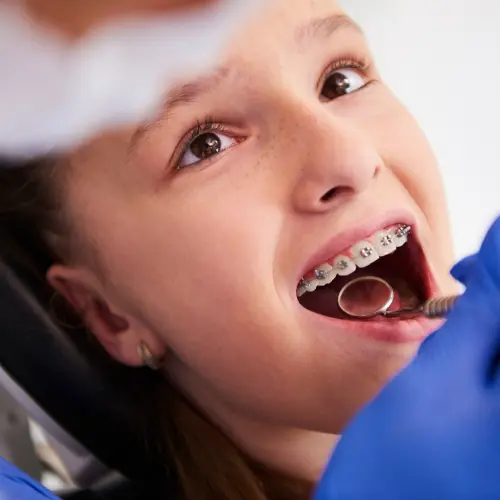
What Are Metal Braces?
What Can Metal Braces Help Address?
Common concerns that may be assessed include:
Crowding
When there is limited space for teeth to align properly, they may overlap or appear crowded.
Spacing
Spaces or gaps between teeth can occur for different reasons and may be considered as part of orthodontic treatment.
Bite-Related Concerns
Orthodontic treatment can address certain bite relationships where the upper and lower teeth do not meet as expected.
Tooth Alignment
Braces can be used as part of a planned approach to improve the alignment and positioning of teeth.
Who May Be Considered?
Children
An orthodontic assessment may help determine whether treatment is appropriate based on dental development and the developing bite.
Teenagers
As permanent teeth develop, orthodontic treatment may be considered to address alignment and bite-related concerns.
Adults
Adults can also be considered for orthodontic treatment depending on their teeth, bite and overall clinical requirements.
Age alone does not determine treatment suitability. An individual assessment is required to understand the appropriate approach.
How Metal Braces Work
Assessment
Discuss your concerns and assess the teeth, bite and relevant clinical factors.
Treatment Planning
The information gathered during assessment is used to consider an appropriate treatment approach.
Braces Placement
The brackets and orthodontic wire are placed as part of the planned treatment.
Regular Follow-Up
Treatment progress is reviewed during appointments, with adjustments made when required.
Retention
After active treatment, retainers may be recommended to help maintain the position of the teeth.
What to Expect During Treatment
Regular Appointments
Follow-up visits allow treatment progress to be reviewed and the braces adjusted when appropriate.
Adjustments
The orthodontic wire and other components may be adjusted during treatment according to the planned approach.
Oral Hygiene
Good oral hygiene is important while wearing braces. Careful brushing and cleaning around the brackets can help maintain oral health.
Dietary Considerations
Some foods may need to be avoided or modified to help protect the brackets and wires.
Temporary Discomfort
Some patients may experience temporary pressure or discomfort, particularly after braces are placed or adjusted.
Frequently Asked Questions.
Find answers to some common questions about orthodontic consultations, treatment and follow-up.
Yes. Adults may be considered for metal braces depending on their teeth, bite and individual treatment requirements.
Metal braces may be used to address crowded teeth when orthodontic treatment is considered appropriate following an individual assessment.
Treatment duration varies between patients and depends on the individual orthodontic concerns, treatment approach and response during treatment.
Yes. Regular follow-up appointments are generally part of active orthodontic treatment so that progress can be reviewed and adjustments made when required.
You can continue to eat many foods, but some foods may need to be avoided or modified to reduce the risk of damaging the brackets or wires.
Some temporary pressure or discomfort can occur, particularly after braces are placed or adjusted. Your orthodontist can explain what to expect during treatment.
Good oral hygiene is particularly important while wearing braces. Regular brushing and careful cleaning around the brackets can help maintain oral health.
Retainers are commonly recommended after active orthodontic treatment to help maintain the position of the teeth.
Treatment options, suitability and timelines vary between patients and are discussed following an appropriate orthodontic assessment.
Considering Metal Braces? Start With a Consultation.
Every orthodontic case is different. A consultation provides an opportunity to discuss your concerns, understand your orthodontic needs and explore whether metal braces may be an appropriate treatment option for you.