What are you looking for?
A Healthier, More Balanced Smile Starts With Understanding
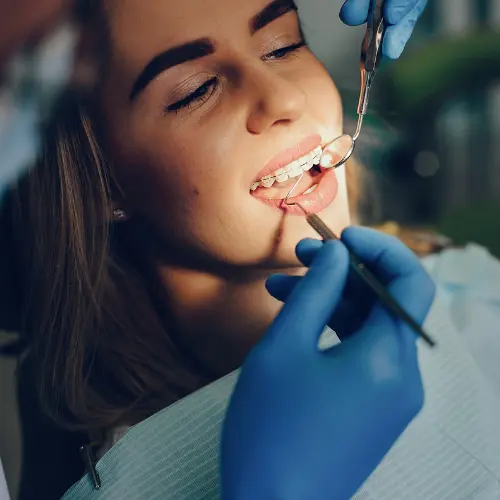
Orthodontic treatment focuses on the alignment of teeth and the way the upper and lower teeth come together. It can help address concerns such as crowded teeth, spacing and bite irregularities through an approach suited to the individual patient.
What Is Orthodontic Treatment?
Common Orthodontic Concerns
Common concerns that may be assessed include:
Crowded Teeth
When there is limited space for teeth to align properly, they may overlap or appear crowded.
Spacing & Gaps
Spaces can occur between teeth for different reasons and may affect the appearance or alignment of the smile.
Overbite & Deep Bite
The upper teeth may overlap the lower teeth more than expected when the mouth is closed.
Underbite
The lower teeth may sit in front of the upper teeth when the mouth is closed.
Crossbite
One or more upper teeth may sit inside the lower teeth when biting together.
Different Approaches for Different Orthodontic Needs
Metal Braces
A conventional orthodontic option using brackets and wires to guide teeth into planned positions.
Explore Metal Braces →Ceramic Braces
Ceramic braces use tooth-coloured or less noticeable brackets while following a similar basic orthodontic principle.
Explore Ceramic Braces →Self-Ligating Braces
A type of fixed brace that uses brackets designed to hold the orthodontic wire in a different way.
Explore Self-Ligating Braces →Clear Aligners
A series of removable, transparent aligners designed to gradually move teeth as part of a planned treatment approach.
Explore Clear Aligners →Invisalign
A branded clear-aligner system using a series of custom-made aligners as part of orthodontic treatment.
Explore Invisalign →Treatment suitability is determined after an appropriate orthodontic assessment.
A Structured Approach From Consultation to Follow-Up
Consultation
Discuss your concerns, expectations and treatment goals.
Assessment
The teeth, bite and relevant clinical factors are assessed.
Treatment Planning
The information gathered is used to consider suitable treatment options for the individual case.
Active Treatment
The selected orthodontic approach is carried out with regular follow-up.
Progress Review
Treatment progress is reviewed during follow-up visits and adjustments may be made when required.
Retention
After active treatment, retainers may be recommended to help maintain the position of the teeth.
Technology That Supports Assessment & Planning
Digital Records
Relevant records can provide additional information to support assessment.
Digital Scanning
An intraoral scan may be used to create a digital representation of the teeth.
Treatment Planning
The information gathered during assessment can assist in considering suitable treatment approaches.
Progress Review
Records and follow-up assessments can help review changes throughout treatment.
Digital technology is used where it is relevant to the patient's assessment, treatment planning or follow-up needs.
Clear Guidance, Every Step
Clear Conversations
Understand your orthodontic concerns, treatment options and the next steps.
Individual Assessment
Your teeth, bite and relevant clinical factors are considered as part of the assessment.
Regular Follow-Up
Treatment progress is reviewed throughout the course of care.
Questions Are Welcome
Patients can discuss their concerns and ask questions during their treatment journey.
Treatment plans and timelines vary from patient to patient.
Frequently Asked Questions.
Find answers to some common questions about orthodontic consultations, treatment and follow-up.
Orthodontic treatment focuses on improving the alignment of the teeth and the way the upper and lower teeth meet. Treatment is planned according to the individual patient's needs and clinical assessment.
An orthodontic consultation can be considered when there are concerns about crowded teeth, spacing, bite, tooth alignment or developing dental and jaw relationships. An assessment can help determine whether treatment may be appropriate.
Orthodontic treatment may be used to address concerns such as crowded teeth, spaces between teeth, overbite, deep bite, underbite and crossbite, depending on the individual case.
Depending on the individual case, treatment options may include metal braces, ceramic braces, self-ligating braces or clear aligners. The appropriate option is discussed after assessment.
Yes. Orthodontic treatment can be considered for adults as well as younger patients. Suitability and treatment options depend on the teeth, bite and individual clinical requirements.
Orthodontic assessment can be considered during childhood and adolescence when appropriate. The timing of treatment depends on dental development, the bite and the individual needs of the patient.
The consultation generally involves discussing your concerns and treatment goals, assessing the teeth and bite, and considering suitable treatment options based on the findings.
Treatment duration varies from patient to patient. It depends on factors such as the individual orthodontic problem, treatment approach and how the teeth respond during treatment.
Some patients may experience temporary pressure or discomfort, particularly when treatment is started or adjusted. Your orthodontist can explain what you may expect during treatment.
Retainers are commonly recommended after active orthodontic treatment to help maintain the position of the teeth. The type and duration of retention can vary between patients.
Every orthodontic case is different. Treatment options, suitability and timelines are discussed following an appropriate clinical assessment.
Take the First Step Towards A Healthier, More Confident Smile.
Every orthodontic journey begins with understanding your individual needs. Book a consultation to discuss your concerns, explore suitable treatment options and understand the next steps.